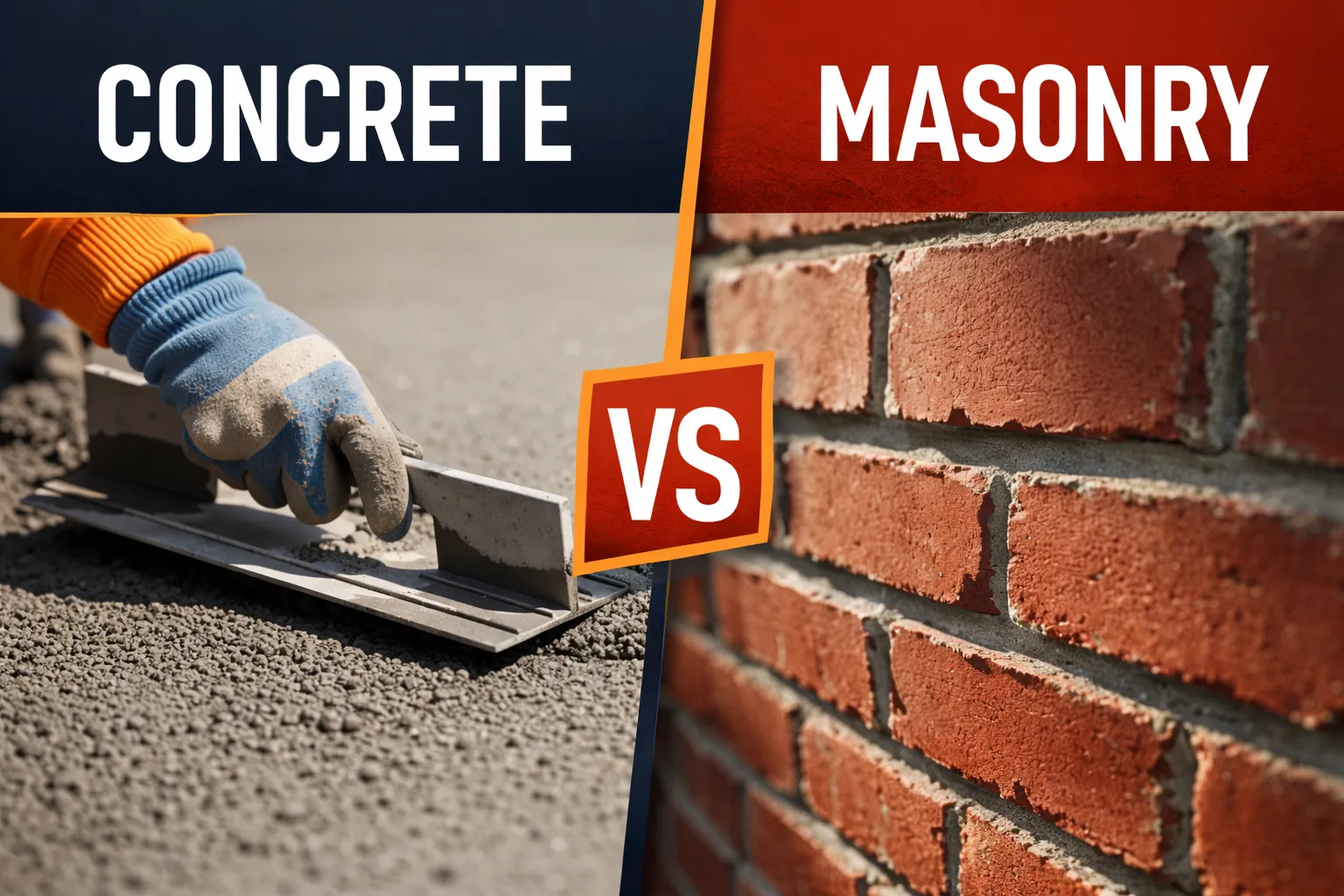
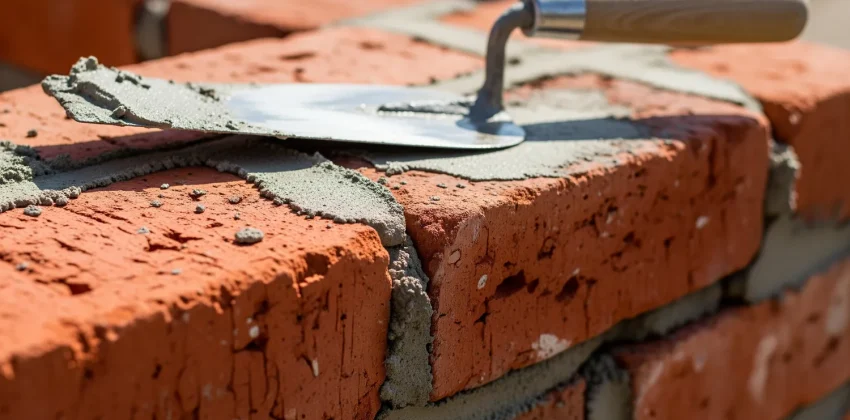
When people think about masonry, they often focus on bricks, stonework, or chimneys.
However, one important service that is often overlooked is parging.
While it may not be as visually striking as a new stone façade, parging plays a crucial
role in protecting and improving masonry structures.
What Is Parging?
Parging is the process of applying a thin layer of mortar or cement-based coating to
masonry surfaces such as foundation walls, concrete blocks, or brickwork. This smooth
coating creates a clean, finished appearance while providing an additional layer of
protection against weather and moisture.
You’ll commonly see parging on exterior foundation walls, where it helps cover rough
or uneven surfaces and gives the building a more polished look.
Why Is Parging Important?
Parging is much more than a cosmetic upgrade. It offers several practical benefits that
help maintain the integrity of your property.
1. Protection Against Moisture
Water is one of the biggest threats to masonry structures. Over time, moisture can
penetrate cracks and joints, leading to deterioration, mold growth, and costly repairs.
A properly applied parging coat acts as a protective barrier, helping to reduce water
infiltration and extend the life of your masonry.
2. Improved Appearance
Cracked, stained, or uneven foundation walls can negatively impact your home’s curb
appeal. Parging creates a smooth, uniform finish that instantly improves the appearance
of your property. Whether you’re planning to sell your home or simply want to maintain
its value, fresh parging can make a noticeable difference.
3. Increased Durability
Masonry surfaces are constantly exposed to changing temperatures, rain, snow, and
freeze-thaw cycles. Parging helps shield the underlying masonry from these elements,
reducing wear and prolonging the structure’s lifespan.
Signs Your Parging Needs Repair
Like any exterior surface, parging can deteriorate over time. Common warning signs include:
- Cracks in the surface
- Chipping or flaking mortar
- Bulging sections
- Visible moisture damage
- Areas where the coating has completely fallen off
Ignoring these issues can allow water to reach the underlying masonry, potentially
causing more extensive damage.
Why Parging and Tuckpointing Go Hand in Hand
While parging protects and enhances masonry surfaces, tuckpointing
focuses on repairing deteriorated mortar joints between bricks or stones. Together,
these services help maintain both the appearance and structural integrity of masonry walls.
If mortar joints are damaged, simply applying new parging may not solve the underlying
problem. Professional masons often recommend tuckpointing first, followed by parging
when necessary, to ensure long-lasting results.
Trust the Professionals
Although parging may seem like a simple task, achieving a durable and attractive finish
requires proper preparation, quality materials, and skilled workmanship. Poorly applied
parging can crack, detach, or trap moisture, leading to even bigger issues down the road.
A professional masonry contractor can assess the condition of your walls, identify hidden
problems, and recommend the right combination of parging and tuckpointing services.
Protect Your Investment Today
Your home’s masonry is constantly exposed to the elements. Investing in professional
parging and tuckpointing not only enhances your property’s appearance but also helps
prevent costly structural damage in the future.
If you’ve noticed cracks, crumbling mortar, or deteriorating foundation walls, now is
the perfect time to act. Contact an experienced masonry and tuckpointing team today to
schedule an inspection and keep your property looking its best for years to come.